
Human Hair vs Synthetic Wigs: Which Should You Buy?
Compare human hair vs synthetic wigs on realism, heat styling, longevity, daily maintenance, and overall value.
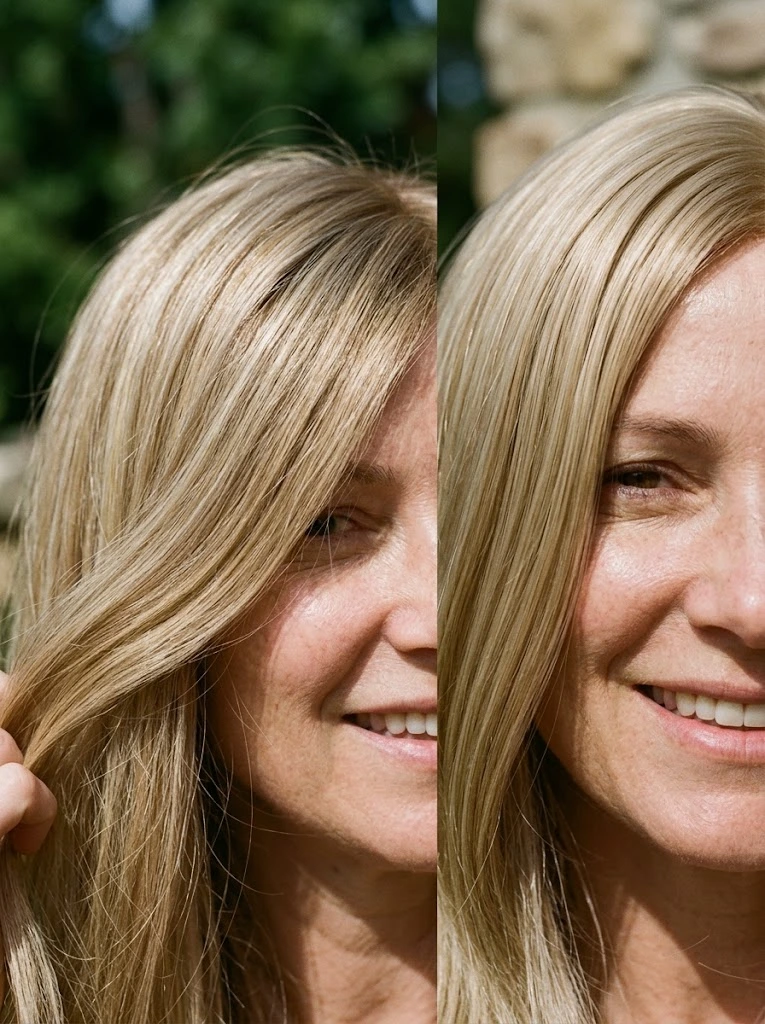
Human Hair vs Synthetic Wigs: Which Should You Buy?
🛡️ Editorial Independence & Transparency Notice: WigMirror is an independent advisor platform. This guide is educational and is not sponsored by a wig manufacturer, retailer, or paid product placement program. We do not accept compensation in exchange for favorable rankings or recommendations.
Quick Decision Answer (First 100 Words - Answer First Block)
Buy a human hair wig if you want the most natural movement, plan to restyle it, and expect frequent or long-term wear. Buy a synthetic wig if your priorities are lower upfront cost, simpler care, and a style that stays set with little daily work. For most first-time buyers, a good synthetic wig is the safer low-commitment choice; for frequent stylers and daily wearers who value flexibility, human hair usually earns the higher spend. A heat-friendly synthetic wig is the middle option when you want some styling flexibility without moving all the way to human hair.
Quick Selection Matrix
| User Type | Best Choice | Avoid | Key Advantage |
|---|---|---|---|
| First-Time Beginner | Standard Synthetic | High-maintenance human hair unless styling flexibility is a priority | Easy care and predictable styling |
| Daily Work Wearer | Human Hair or Quality Heat-Friendly Synthetic | Very high-maintenance construction that conflicts with the morning routine | Balances repeat wear with appearance and convenience |
| Occasional Event Wear | Standard Synthetic or Heat-Friendly Synthetic | Paying a large premium for flexibility you will rarely use | Lower commitment for occasional use |
| Budget-Conscious Buyer | Standard Synthetic | Human hair purchased mainly for the prestige of the material | Lower upfront and maintenance costs |
| Frequent Styler | Human Hair | Standard synthetic if regular heat styling is required | Broadest styling flexibility |
The matrix is a starting point rather than a ranking of materials. Cap construction can change the experience substantially. A well-made synthetic wig with a convincing lace front can look more natural on one wearer than an inexpensive human hair wig with a poorly matched density or visible cap.
If you are uncertain, use the wig recommender guide to narrow the choice according to wearing frequency, styling habits, and priorities before comparing individual wigs.
Default Best Recommendation
For a first-time buyer who is unsure, start with a quality synthetic wig unless you already know that you want to heat-style, recolor, or repeatedly reshape the hair. Synthetic fibers can provide a consistent finished style without requiring the same styling routine as human hair.
For a daily wearer who expects to style the wig, human hair is usually the stronger long-term material choice. It behaves more like natural hair during brushing, blow-drying, curling, and reshaping, although it still requires careful handling and appropriate heat control.
For someone between those two groups, heat-friendly synthetic deserves serious consideration. It can provide some heat-styling flexibility while retaining many of the convenience advantages of synthetic fiber. The exact heat tolerance is manufacturer-specific, so the label and care instructions matter more than the phrase "heat-friendly" by itself.
The most important point is that material is only one part of wig realism and comfort. Lace type, cap construction, density, color, fit, hairline design, and how the wig is secured can matter just as much in everyday use.
Human Hair vs Synthetic Wigs: The Core Difference
Human hair wigs use human hair as the primary hair material. Synthetic wigs use manufactured fibers designed to imitate the appearance and movement of hair. The American Cancer Society describes synthetic wigs as generally less expensive and lower maintenance, while human hair wigs generally offer greater styling flexibility at a higher cost and with more maintenance.
The practical difference is not simply "real versus fake." The useful buying question is:
Do you want the wig to behave like hair you can style, or do you want it to behave like a finished hairstyle that is ready to wear?
Human hair is closer to the first experience. Standard synthetic is closer to the second.
That distinction affects your morning routine, how often you need to wash and restyle the wig, how much heat you can use, and whether the higher purchase price will translate into meaningful value for you.
Human Hair: Where It Has the Advantage
Human hair can be reshaped and styled much like natural hair. This makes it particularly useful when you change your part, use different hairstyles, or want the same wig to work for several occasions.
It can also develop a more individualized appearance over time because the wearer can alter the style rather than always returning the fiber to its original factory-set shape.
The trade-off is maintenance. Human hair does not maintain a factory-set style simply because it is human hair. It needs brushing, washing, conditioning, drying, and styling, and excessive heat can still damage it.
Synthetic: Where It Has the Advantage
Synthetic wigs are designed around convenience. A standard synthetic style generally holds the shape built into the fiber, so you do not need to recreate the hairstyle every morning.
That can be valuable for workdays, travel, quick changes, or anyone who does not want another styling task added to their routine.
Synthetic fiber is also usually less expensive than human hair. The American Cancer Society identifies lower cost, lower maintenance, and reduced styling flexibility as the main trade-offs.
The limitation becomes important when you want to change the style. Standard synthetic fibers should not be treated like human hair. Heat tools, hair dryers, and color products may damage them unless the specific fiber is designed for that use.
The Third Option: Heat-Friendly Synthetic
Heat-friendly synthetic wigs sit between standard synthetic and human hair.
They are made with fibers intended to tolerate controlled heat styling. This can make it possible to make limited changes to waves, curls, or the overall shape while keeping the lower-maintenance character of synthetic fiber.
However, "heat-friendly" does not mean "heat-proof."
Manufacturer instructions determine the permitted temperature and tools. For example, HairUWear states that its Tru2Life fiber can be styled with controlled heat up to a manufacturer-specified limit, while also warning that excessive or sudden heat can damage the fiber. Its care guidance also distinguishes synthetic fiber from human hair in areas such as coloring and washing.
The safest rule is simple: never assume a synthetic wig can take heat because another synthetic wig can. Look for explicit heat-styling instructions for the exact fiber and follow the manufacturer's temperature limits.
Construction Matters as Much as Material
Two wigs made from the same material can feel and look very different because of their cap construction.
The American Cancer Society identifies several common constructions, including lace front, full lace, monofilament, and hand-tied designs. Each solves a different problem.
- Lace Front
A lace-front wig has a sheer lace panel along the front hairline. Individual hairs are attached to the lace, creating the appearance that hair emerges from the scalp at the front.
This can improve hairline realism, particularly when the lace color and density are well matched to the wearer.
A lace front does not automatically make a wig natural-looking. Excessive density, poor color matching, an unsuitable hairline shape, or an incorrect fit can still make the construction noticeable.
- Full Lace
Full-lace construction extends lace across the entire cap. This can provide greater freedom in how the hair is parted or styled.
The advantage matters most to people who actually use that flexibility. If you wear the same simple part every day, paying for maximum styling freedom may not be worthwhile.
- Monofilament
A monofilament section uses fine mesh designed to create the appearance of hair emerging from the scalp. Depending on the construction, it can also allow more natural-looking part changes.
For someone concerned about visible parting, monofilament construction may matter more than choosing human hair over synthetic.
Hand-Tied Construction
In a hand-tied cap, individual hairs or fibers are attached to the cap one by one. This can produce a lighter, more natural-feeling result and can improve styling flexibility.
The American Cancer Society notes that hand-tied designs can offer a natural appearance and breathability.
Cap Stretch Mesh and Fit
Stretch mesh can make a cap more forgiving across different head shapes and can contribute to comfort.
Fit should be evaluated before material. A premium human hair wig that shifts, presses, or feels unstable may be less satisfying than a less expensive wig with a secure and comfortable cap.
Head measurements also vary by manufacturer. The American Cancer Society's sizing guidance, for example, lists petite at about 21 inches, average at 21.5 inches, and large at 23 inches in circumference, while individual brands may use different ranges or labels.
Measure according to the seller's instructions rather than assuming that "average" means the same thing everywhere.
For a visual check of hairline placement and overall proportions, the wig try-on guide can be more useful than comparing material labels alone.
Real Wearing Considerations
A wig can look excellent in a product photograph and still be inconvenient in real life. The better purchase is the one that fits your routine.
- Daily Commute & Heat
Think about where you will wear the wig.
If your commute involves significant outdoor heat, frequent walking, or long periods away from climate control, comfort and secure fit become practical priorities. A wig that requires frequent adjustment can become frustrating regardless of whether it is human hair or synthetic.
Heat also matters during styling. The American Academy of Dermatology recommends limiting excessive heat exposure when styling hair and using lower temperatures where possible. Although a wig is not living hair at the scalp, human hair used in a wig can still be damaged by excessive heat, while synthetic fibers can deform or melt when exposed to unsuitable temperatures.
For a hot-weather routine, prioritize:
Secure but comfortable fit.
A cap construction that suits your sensitivity to warmth.
A hairline that does not require constant repositioning.
A fiber whose styling requirements match how much heat you actually use.
A realistic plan for storing and caring for the wig after work.
- Morning Routine
Ask yourself how many minutes you genuinely want to spend on the wig each morning.
A standard synthetic wig can be attractive to someone who wants to put it on, make minor adjustments, and leave. Its style retention is one of its main advantages.
Human hair gives you more control, but control creates work. You may need to brush, shape, dry, and style it. If you choose human hair because you love styling, that work can feel worthwhile. If you choose it because you assume it requires less effort, you may be disappointed.
Breastcancer.org notes that both human hair and synthetic wigs need appropriate care and recommends washing and conditioning after roughly 8–10 wears as a general guide, while also emphasizing proper storage.
Maintenance Commitment
Maintenance is not a minor detail. It should be part of the purchase decision.
A synthetic wig that matches your preferred style can reduce the number of styling decisions you make each week. Human hair can adapt to more styles, but that flexibility requires more active care.
Think in terms of maintenance tolerance, not whether you are "good" or "bad" at hair care.
If you enjoy styling, human hair may fit naturally into your routine. If you want the wig to remove styling work from your routine, synthetic may be the better match.
- Social Confidence
Social confidence is personal, and there is no single construction that guarantees it.
Some wearers feel more confident when the hair moves and behaves like their own hair. Others feel more confident when a wig maintains its shape and requires little adjustment.
Hairline realism can matter greatly if you wear the wig without a hat or other covering. A lace front or monofilament construction may be useful when the front hairline or part is visible.
At the same time, a highly realistic lace system is not necessarily the best choice for everyone. Some people prioritize a comfortable, secure cap over maximum hairline customization.
The right question is not "Which wig looks most expensive?" It is "Which features reduce the specific concern I have when wearing it?"
Maintenance: Human Hair vs Synthetic
Maintenance is where the material difference becomes especially practical.
Human Hair Maintenance
Human hair should be treated as a delicate hair product rather than an indestructible accessory.
Regular care may include:
Gentle brushing or detangling.
Appropriate shampoo and conditioner.
Careful drying.
Controlled heat styling.
Periodic reshaping.
Safe storage when not worn.
The American Academy of Dermatology recommends reducing excessive heat and avoiding aggressive handling because repeated heat and mechanical stress can damage hair.
Human hair can also be chemically processed or colored in ways synthetic fiber generally cannot, but that does not mean every human hair wig should be recolored. Processing changes the condition of the hair and should be approached cautiously.
Synthetic Maintenance
Standard synthetic hair generally needs less styling after washing because the fiber is designed to retain its shape.
Basic care typically means:
Use products intended for synthetic wigs.
Avoid ordinary hair-color products.
Keep standard synthetic fibers away from unsuitable heat.
Allow the wig to dry according to its care instructions.
Store it away from excessive sunlight, heat, moisture, and dust.
Use a wig stand or appropriate storage method when practical.
The American Cancer Society specifically advises against using color rinse on synthetic wigs and recommends avoiding hair dryers or curling irons unless the wig is designed to tolerate heat.
Heat-Friendly Synthetic Maintenance
Heat-friendly synthetic requires a little more care than standard synthetic because the material is designed for controlled styling.
Do not translate a manufacturer's maximum temperature into a recommendation to use that temperature routinely. Lower heat and shorter exposure are safer starting points.
HairUWear's care information, for example, provides manufacturer-specific heat guidance while warning against sudden bursts of heat and improper use.
How Long Do Wigs Last?
There is no universal lifespan because wear frequency, construction, fiber quality, friction, storage, cleaning, heat exposure, and care all affect durability.
Breastcancer.org gives approximate estimates of 3–5 months for a synthetic wig and 9 months to 1 year for a human hair wig with daily wear and proper care. These should be treated as practical estimates rather than guarantees.
That distinction matters when comparing prices.
A $300 wig that lasts several months is not automatically a better financial decision than a $1,000 wig that lasts longer. The answer depends on how often you wear each one, how much maintenance it needs, and whether its features actually solve your needs.
A useful calculation is:
Approximate cost per wear = purchase price ÷ realistic number of wears
This is not a complete ownership-cost calculation because maintenance supplies, professional styling, repairs, and replacement parts can add expense. Still, it is a better comparison than looking only at the checkout price.
For a broader budget comparison, use the wig pricing guide, especially if you are deciding between several construction levels rather than only two materials.
Virgin, Remy, and Non-Remy Human Hair
"Human hair" is a broad category. Labels such as virgin, Remy, and non-Remy describe different aspects of how the hair was sourced, processed, or aligned, although terminology can vary between sellers.
- Virgin Hair
"Virgin hair" is generally used to describe hair that has not been chemically processed. Vendor definitions can differ, so the label should not be treated as a universal certification of origin, quality, or ethical sourcing.
Virgin Hair & Beauty describes virgin hair as hair that has not been chemically processed and distinguishes that concept from Remy alignment. This is a vendor explanation, not an independent certification standard.
The practical lesson is to ask what the seller specifically means by "virgin" rather than assuming the word guarantees a particular quality level.
- Remy Hair
Remy commonly refers to hair being collected or handled with the cuticles aligned in the same direction. Alignment can help reduce friction and tangling compared with hair whose cuticle directions are mixed.
However, "Remy" alone does not tell you everything about the hair's quality, processing history, density, origin, or construction.
- Non-Remy Hair
Non-Remy hair generally means the cuticle direction has not been maintained consistently.
That can increase the need for processing or other treatments to produce a smooth appearance, but quality varies. A material label should therefore be considered alongside the cap, density, processing, care requirements, and seller transparency.
HD Lace vs Swiss Lace
Lace terminology can create unnecessary confusion because the labels are not always used consistently across the market.
Swiss lace is generally discussed as a balance between fineness and durability. HD lace is typically marketed as thinner or finer and intended to become less noticeable against the skin under close viewing.
Tressley Hair's 2026 comparison describes HD lace as finer than Swiss lace and emphasizes the trade-off between delicacy and durability. It also notes that "transparent lace" describes color rather than necessarily describing lace thickness.
Do not assume that a number such as 0.15 mm versus 0.25 mm is a universal industry specification. Lace thickness, naming, and measurements vary by manufacturer.
For buying purposes, focus on the outcome:
Do you want the least visible front hairline possible?
Will you handle the lace carefully?
Do you prioritize durability?
Will the lace be exposed under close lighting?
Does the lace color work with your complexion?
Is the hair density realistic for the look you want?
A finer lace can be useful, but a delicate construction that you are uncomfortable maintaining may not be the best choice.
Density, Color, and Hairline Realism
Material is often blamed for a wig looking unnatural when the real issue is density or color.
Very high density can create a fuller appearance than the wearer wants. A color that is too uniform or poorly matched can also draw attention to the wig even when the fiber itself is high quality.
Human hair gives you more opportunity to customize the result, but customization does not automatically produce a better match.
Synthetic wigs can also look natural when density, texture, color, hairline, and cap construction are appropriate.
For US buyers, hairline realism, glueless convenience, and natural-looking color are practical priorities worth considering separately. A glueless design can simplify the routine, while a realistic hairline can reduce the need for constant adjustment. Neither feature is exclusive to human hair.
What Human Hair Is Best For
Human hair is usually the stronger choice when several of the following statements are true:
You wear the wig frequently.
You want to change the hairstyle.
You regularly use controlled heat styling.
You want the hair to move and respond more like natural hair.
You are comfortable with washing and styling.
You expect to keep the wig for an extended period.
You care more about flexibility than minimum maintenance.
You are willing to spend more upfront for those benefits.
The strongest case for human hair is not simply "it looks more natural." The stronger case is control.
You are buying a material that can be styled rather than a finished style that is primarily meant to stay as supplied.
What Synthetic Is Best For
Synthetic is usually the stronger choice when several of these statements are true:
You want a lower upfront cost.
You want a finished style that needs little daily restyling.
You wear the wig occasionally.
You want predictable shape retention.
You do not need frequent color or style changes.
You are new to wigs and want a lower-commitment starting point.
You prefer convenience over maximum styling flexibility.
For occasional event wear, standard synthetic can be particularly practical. There is little reason to pay for styling flexibility that you will rarely use.
Heat-friendly synthetic becomes more attractive when you want some styling control but still prefer the maintenance profile of synthetic fiber.
Who Should NOT Buy Human Hair?
Human hair is probably not the right purchase if:
You strongly dislike styling and maintenance.
You want to put the wig on and have the hairstyle remain essentially finished.
You rarely wear wigs and have no interest in styling flexibility.
The higher upfront cost would create financial pressure.
You are buying it mainly because you believe "human hair" automatically means a better fit.
You do not want to learn the care requirements of the specific wig.
You frequently expose your hair products to high heat without wanting to change that routine.
Human hair is a poor value when its flexibility is not something you will actually use.
Who Should NOT Buy Synthetic?
Synthetic is probably not the right purchase if:
You regularly want to change the hairstyle.
You need frequent heat styling and the fiber is not explicitly heat-friendly.
You want to recolor the wig as part of your routine.
You expect the hair to behave like natural hair under repeated styling.
You are comfortable paying more for maximum flexibility.
You are buying standard synthetic while already knowing that its fixed styling will frustrate you.
Standard synthetic is particularly unsuitable for someone who expects to treat it exactly like a human hair wig.
If you need limited styling flexibility, consider a heat-friendly synthetic rather than assuming you must move directly to human hair.
The Decision Tree: Which Wig Should You Buy?
Use this sequence instead of starting with price alone.
IF YOU WEAR A WIG MOST DAYS
Ask whether you style it.
If yes: human hair is the leading choice because styling flexibility can justify the additional maintenance and cost.
If no: a quality synthetic may be more practical if you want a consistent style with less daily work. A heat-friendly synthetic can sit between the two.
IF YOU WEAR A WIG ONLY FOR EVENTS
Ask whether you need to change the style.
If no: standard synthetic is often the logical choice.
If yes: heat-friendly synthetic or human hair may be worthwhile depending on how much styling you need.
IF YOUR BUDGET IS TIGHT
Start with synthetic.
Do not stretch your budget simply to obtain a human hair label. A comfortable, well-fitting synthetic wig that matches your preferred style can be a better purchase than a human hair wig that creates financial stress.
IF YOUR BIGGEST CONCERN IS THE HAIRLINE
Do not choose by material first.
Look at lace front, monofilament, density, lace color, hairline design, cap fit, and how the wig will be secured. A human hair wig without a suitable hairline construction may not solve the issue you are trying to address.
IF YOUR BIGGEST CONCERN IS STYLING
Choose based on how much control you need.
No styling: standard synthetic.
Occasional controlled styling: heat-friendly synthetic.
Frequent styling, reshaping, or major versatility: human hair.
Common Buyer Conflicts
Real decisions are often less straightforward than a simple material comparison.
"I Want Human Hair, But I Hate Maintenance"
Choose based on the maintenance you will actually tolerate, not the material you prefer in theory.
A heat-friendly synthetic or standard synthetic may give you a better ownership experience.
"I Want Synthetic, But I Also Want to Curl It"
First check whether the fiber is explicitly heat-friendly.
If it is not, do not use a curling iron simply because the temperature seems low. Standard synthetic fibers are not interchangeable with heat-friendly fibers.
If the wig is heat-friendly, follow the manufacturer's instructions precisely.
"I Want the Most Natural Look, So Should I Buy Human Hair?"
Not necessarily.
Human hair can provide natural movement and styling flexibility, but realism also depends on density, color, hairline, lace, cap construction, and fit.
If hairline realism is your main concern, spend your attention on construction before automatically upgrading the fiber.
"I Only Wear It Once or Twice a Month"
Synthetic usually makes more financial sense unless you specifically need human hair's styling flexibility.
A premium material has limited value if its main advantages remain unused.
"I Want One Wig for Everything"
Human hair offers the broadest styling flexibility, but "one wig for everything" also means more maintenance.
If your idea of versatility is simply changing between a few preset looks, heat-friendly synthetic may be enough.
Pre-Purchase Checklist
Before paying for a wig, check the following.
- Material
Is it human hair, standard synthetic, or heat-friendly synthetic?
If human hair, what does the seller mean by virgin or Remy?
If synthetic, is heat use explicitly permitted?
- Construction
Is it lace front, full lace, monofilament, hand-tied, machine-made, or a combination?
How much of the cap uses lace?
Does the cap have stretch mesh?
How is the wig secured?
Is the construction appropriate for your intended part and styling habits?
- Fit
Measure your head using the seller's instructions.
Compare the actual measurement range rather than relying only on "average."
Check whether adjustment straps, combs, or other securing features are included.
Review the return policy before removing tags or altering the wig.
The American Cancer Society recommends checking return policies because some wig retailers restrict returns or charge restocking fees.
- Appearance
Does the density match your preferred look?
Does the color appear natural-looking for your desired style?
Does the hairline suit how you intend to wear the wig?
Is the parting realistic enough for your needs?
Does the texture match your usual styling preferences?
- Maintenance
How often will you realistically wash it?
Do you need special wig products?
Where will you store it?
Will you need professional styling?
Can your normal heat routine be used safely?
- Cost
Record the purchase price.
Estimate realistic wears.
Add likely maintenance costs.
Add potential professional styling costs.
Calculate approximate cost per wear.
Consider replacement frequency rather than focusing only on the initial price.
A Practical Ownership Comparison
| Factor | Human Hair | Standard Synthetic | Heat-Friendly Synthetic |
|---|---|---|---|
| Upfront cost | Usually higher | Usually lower | Usually between standard synthetic and human hair, depending on construction |
| Styling flexibility | Highest | Low | Moderate |
| Style retention | Requires restyling | Strong | Stronger than human hair for preset shape, but can be restyled |
| Heat tolerance | Possible with care | Generally unsuitable unless specified | Designed for controlled heat |
| Color changes | Possible with appropriate professional care | Generally not suitable | Generally not suitable unless specifically stated |
| Daily maintenance | Higher | Lower | Low to moderate |
| Natural movement | Generally strong | Depends on fiber and construction | Depends on fiber and construction |
| Occasional wear | Often more flexibility than necessary | Strong fit | Strong fit |
| Frequent styling | Strong fit | Poor fit | Moderate fit |
| Long-term value | Depends heavily on care and use | Depends heavily on frequency and replacement | Depends heavily on fiber and use |
The table describes broad material tendencies rather than guarantees. A particular wig can perform differently because construction, density, fiber formulation, processing, and fit all matter.
How to Compare Two Wigs Without Getting Distracted
If you are looking at two specific wigs and one is human hair while the other is synthetic, compare them in this order:
-
Fit. If one cap does not fit comfortably, material advantages are secondary.
-
Construction. Compare lace front, monofilament, hand-tied, stretch mesh, and other cap features.
-
Hairline and density. Ask which one better matches your desired appearance.
-
Styling requirements. Decide whether you actually need the human hair wig's additional flexibility.
-
Maintenance. Estimate how much time you are willing to spend each week.
-
Expected wear frequency. A daily wig and an occasional wig should not be evaluated using the same value equation.
-
Total cost. Compare likely cost per wear rather than only the purchase price.
This order prevents a familiar marketing label from becoming the entire decision.
- FAQ Is human hair always better than synthetic?
No. Human hair generally offers more styling flexibility and natural movement, but synthetic wigs can be more convenient, less expensive, and easier to maintain. The better material depends on how you intend to wear and style the wig.
Can I style a heat-friendly synthetic wig with a curling iron?
Usually, yes, if the specific fiber is explicitly designed for heat styling. Follow the manufacturer's temperature and tool instructions. "Heat-friendly" does not mean unlimited heat tolerance.
How do I know if my synthetic wig is heat-friendly?
Look for explicit manufacturer labeling or care instructions that state heat styling is permitted. Do not rely on appearance or on another wig using a similar-looking synthetic fiber.
HairUWear, for example, publishes specific heat guidance for its Tru2Life fiber. That is a manufacturer-specific claim and should not be generalized to every synthetic wig.
Can you curl a standard synthetic wig?
Do not assume that you can. Standard synthetic fibers may be damaged or deformed by heat. If the manufacturer's instructions do not permit heat styling, use methods specifically designed for that fiber instead.
The American Cancer Society advises against curling irons and hair dryers for synthetic wigs unless the wig is heat resistant.
Can I dye a synthetic wig?
Generally, no. Synthetic fibers are not treated like human hair and should not be colored with ordinary hair dye or color rinse unless the manufacturer specifically provides a compatible method.
Is a lace-front wig always more natural-looking?
No. A lace front can improve the appearance of the front hairline, but realism also depends on lace color, hair density, hairline design, cap fit, styling, and the match between the wig and wearer.
Is HD lace better than Swiss lace?
Neither is universally better. HD-style lace is generally marketed as finer and less visible, while Swiss lace is commonly valued for a balance of fineness and durability. Terminology is not standardized across sellers, so compare the actual construction rather than relying on the label alone.
What is the difference between Remy and virgin human hair?
They describe different characteristics. "Virgin" generally refers to hair that has not been chemically processed, while "Remy" commonly refers to maintaining cuticle alignment. A wig can be described using both terms, but the labels alone do not establish every aspect of quality or sourcing.
How long does a synthetic wig last?
There is no fixed lifespan. With proper care and daily wear, Breastcancer.org gives an approximate estimate of 3–5 months for synthetic wigs. Actual durability varies with construction, friction, cleaning, storage, and frequency of use.
How long does a human hair wig last?
Breastcancer.org gives an approximate estimate of 9 months to 1 year for a human hair wig with daily wear and proper care. This is an estimate rather than a guarantee, and individual results vary substantially.
Which wig is better for daily wear?
There is no single winner. Human hair is often a better fit for daily wearers who want to restyle the wig, while synthetic can be better for daily wearers who value predictable shape and lower maintenance. A comfortable cap and suitable construction may matter more than material alone.
Which wig is better for beginners?
Standard synthetic is often the easiest starting point because it generally requires less styling and has a lower upfront cost. However, a beginner who already knows they want frequent styling may save frustration by starting with human hair or heat-friendly synthetic.
Is human hair more comfortable than synthetic?
Not automatically. Comfort depends on cap construction, weight, density, fit, ventilation, and personal sensitivity. Human hair can have advantages in movement, but a well-designed synthetic wig can also be comfortable for long wear.
Should I buy a glueless wig?
A glueless design can be useful if convenience and easy removal are priorities. It is not inherently better than an adhesive-secured design. Consider how active you are, how long you wear the wig, your preferred security level, and your tolerance for application steps.
How often should I wash a wig?
Care schedules vary by material and use. Breastcancer.org gives a general guideline of washing and conditioning after about 8–10 wears. Follow the care instructions for your specific wig, especially when the manufacturer specifies different handling.
Can heat damage human hair wigs?
Yes. Human hair can be damaged by excessive heat just as natural hair can. The American Academy of Dermatology recommends limiting heat exposure and using lower temperatures when possible.
Should I sleep, shower, or swim in my wig?
For routine wig care, avoid treating the wig as though it were permanently attached hair. HairUWear specifically advises against sleeping, showering, and swimming while wearing its wigs. Exact guidance should come from the manufacturer of your wig.
What matters more: human hair or a good cap?
For many buyers, both matter, but the cap can determine whether the wig actually works in daily life. A high-quality fiber cannot compensate for poor fit, uncomfortable construction, unsuitable density, or a hairline that does not meet your needs.
How should I decide if I am still unsure?
Start with three questions:
How often will I wear it?
How often will I style it?
How much maintenance am I willing to do?
If the answers are "often, often, and I am comfortable with maintenance," human hair is the strongest candidate.
If they are "occasionally, rarely, and I want minimal work," standard synthetic is usually the better fit.
If they are somewhere in between, compare heat-friendly synthetic options.
- Final Recommendation
Human hair and synthetic wigs solve different problems.
Choose human hair when flexibility is the point. It is the better fit for frequent stylers, people who want to change their look, and wearers who are prepared to invest time in care.
Choose standard synthetic when convenience is the point. It is usually the better fit for beginners, occasional wearers, and anyone who wants a finished style with less daily work.
Choose heat-friendly synthetic when you want a compromise. It can provide controlled styling flexibility without requiring the same level of active maintenance as human hair.
Do not let the material label make the entire decision for you. Compare the cap, hairline, density, fit, maintenance routine, expected wear frequency, and total cost. A wig is successful when its features match the way you actually live—not when it simply has the most expensive material.
For a final shortlist, use the wig recommender guide, check appearance and fit with the wig try-on guide, and review ownership costs through the wig pricing guide.
⚖️ WigMirror FTC Compliance Statement: We do not accept paid reviews, paid rankings, or compensation in exchange for favorable recommendations. This article contains no paid product placement. Any future commercial relationships will not change the underlying decision criteria presented here. Product or vendor claims are identified separately from medical-organization evidence and WigMirror editorial synthesis.
Tighten repeated recommendation sections